
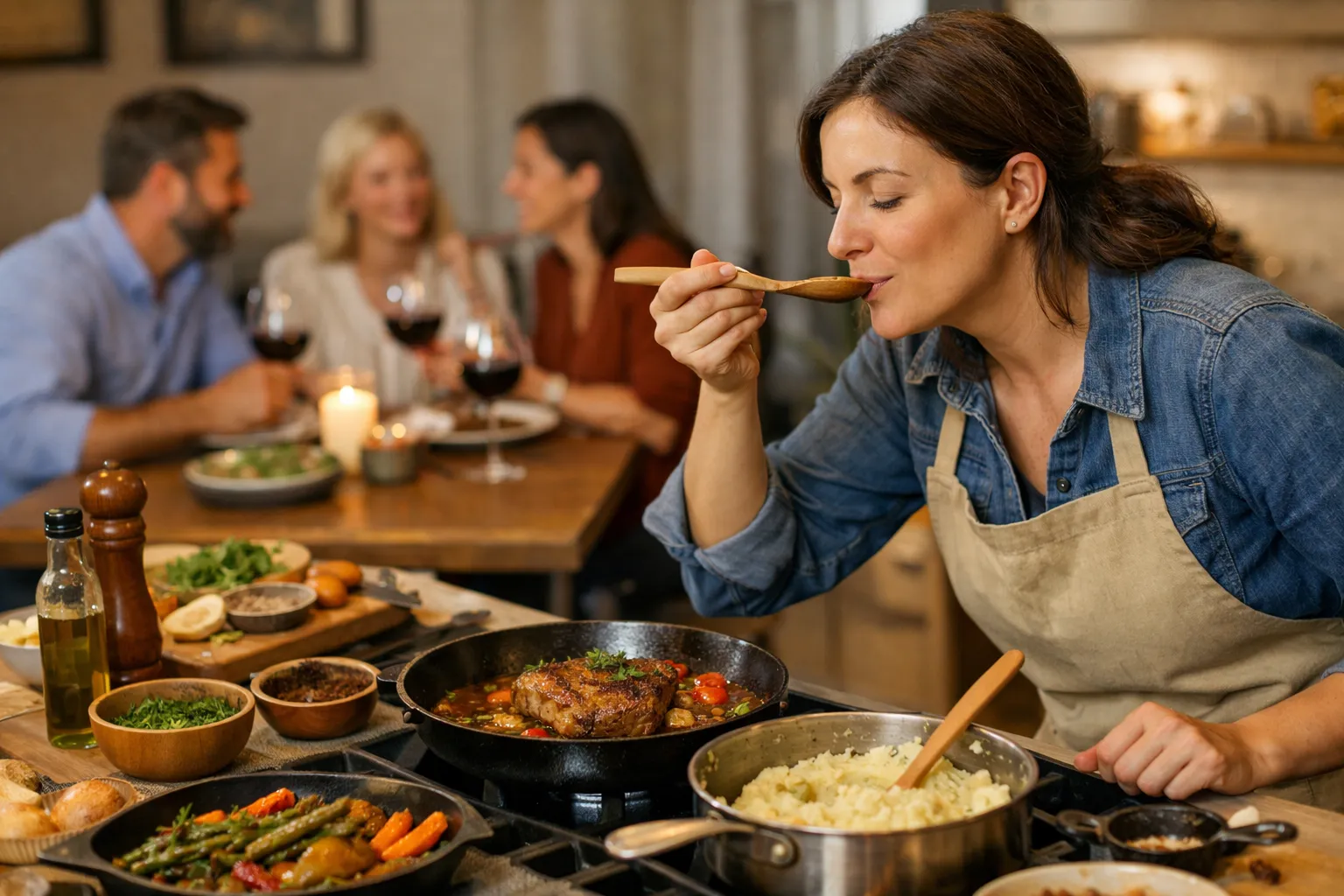
You made the dish exactly as the recipe said, tasted it, and felt a little disappointed. It wasn’t bad, just missing that rich, layered flavor you get when you eat at a good restaurant.
To be honest, I also spent years wondering what chefs knew that I didn’t. The secret turned out to be flavor layering.
Most home cooks season their food once and move on, but real depth comes from building layers of taste throughout the entire cooking process. When I finally started using a few techniques to get better depth of flavor, everything in my cooking changed.
And here’s what surprised me: you don’t need professional training or expensive tools to do this. In this post, I’ll walk you through what cooking depth means, how flavor layering works, and the finishing touches that make a dish taste restaurant-quality.
Let’s begin with the base (no pun intended).
What Is Cooking Depth and How It Changes Your Food?
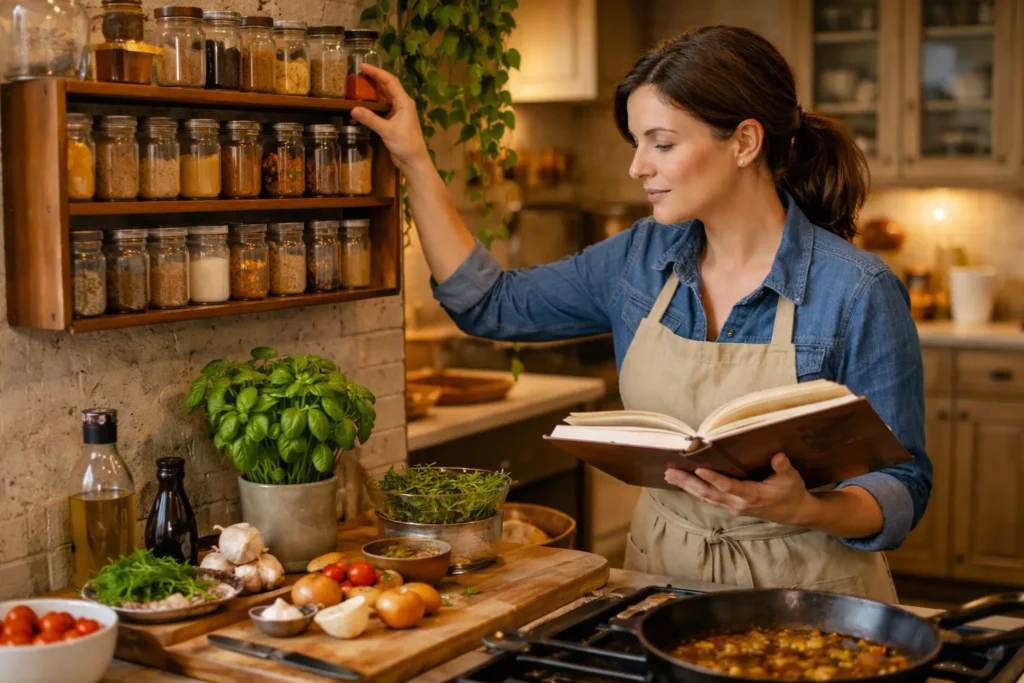
Cooking depth is the layered complexity of flavor that makes a dish taste rich, full, and satisfying from the first bite to the last. It’s a bit like painting. One coat of color looks flat, but when you layer shades and textures on top of each other, you create something with real dimension.
The same thing happens with food. And it’s the difference between flat, one-note chicken and chicken that makes people ask for seconds (and the recipe). Growing up, my mom would season with garlic, onions, and spices at every stage of cooking. That’s why her food always tasted like it came from a restaurant.
That approach is what separates a forgettable meal from one that lingers on your taste buds. Once you understand how depth works, you can start building those layers intentionally in your own dishes.
How Does Flavor Layering Create a More Flavorful Dish?
Flavor layering creates a more flavorful dish by building taste in stages rather than all at once. Each step adds something new, so by the end of the cooking process, everything comes together into a richer, more rounded flavour.
So what does that actually look like in practice? Well, it breaks down into three different stages.
- The Base Layer: Aromatics like onions, garlic, and celery form the foundation. Seasoning with salt and pepper at this point helps draw out their natural sweetness and sets the tone for the dish.
- The Middle Layer: Proteins and root vegetables go in next, absorbing those base flavours as they cook. This is also the moment to add spices like cumin or rosemary, which bloom in the heat and add warmth and depth.
- The Finish Layer: Right before serving, brightness comes into play. Fresh herbs, a squeeze of citrus, or a drizzle of olive oil lifts the heavier flavours and brings balance.
When you nail all three layers, your food starts to taste like something you’d order at a restaurant instead of just another weeknight meal.
Which Cooking Process Techniques Build the Most Depth?
Most home cooks season their food and hope for the best, but real depth comes from how you cook, not just what you add. So here are four methods that professional chefs rely on every day:
- Browning: Cooking meat over high heat triggers the Maillard reaction, which adds caramelized, savory umami notes to your dish. Let the meat sit without moving it so a proper crust forms.
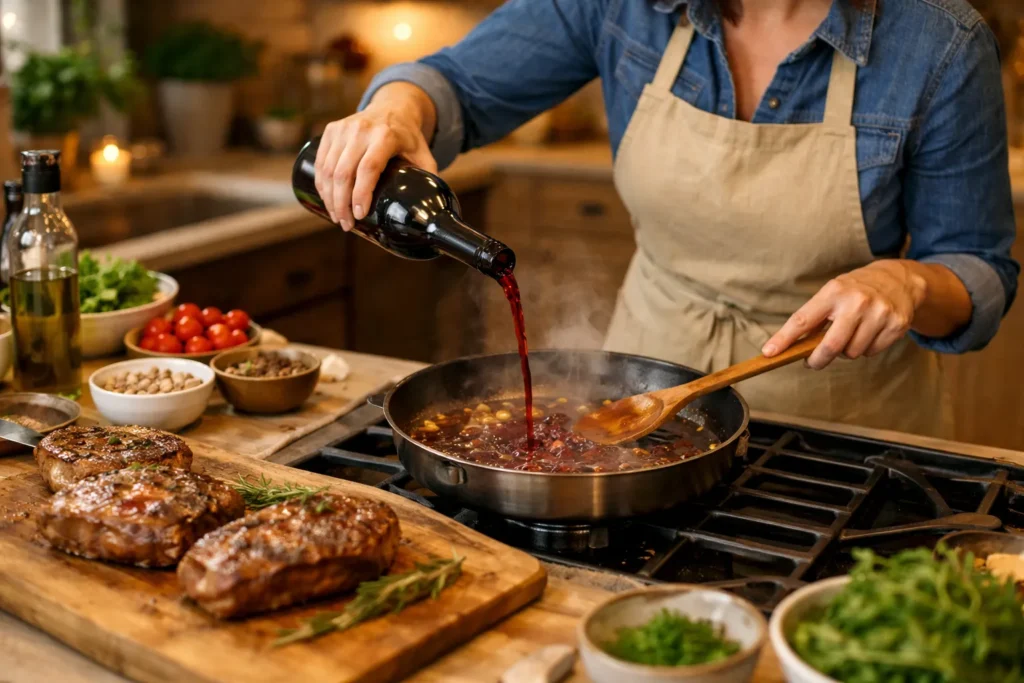
- Deglazing: Believe it or not, that crusty brown stuff at the bottom of your pan is packed with flavor. Adding wine or stock lifts the fond and creates a flavor-packed sauce that enhances everything on the plate.
- Toasting Spices: After years of testing this in my own kitchen, I can say heating whole spices like cumin before grinding releases their aromas and improves the overall taste of your food.
- Slow Cooking: This method allows tough cuts and vegetables to break down and meld together over time (we’re talking 2-4 hours minimum for real depth).
These techniques take a little extra time, but the flavor payoff is worth every minute.
Now that you’ve built your layers during the cooking process, the final step is what pulls everything together.
What Finishing Touches Make a Flavorful Dish Taste Restaurant-Quality?
A squeeze of lemon juice or splash of vinegar at the end brightens the whole dish and creates balance against rich, heavy flavors. What surprises most home cooks is how little time these additions take, yet how much they change the overall taste of various dishes.
Here’s a quick breakdown of my favorite finishing touches:
| Finishing Touch | What It Does |
| Acid (lemon juice, vinegar) | Brightens and balances richness |
| Fresh herbs (basil, rosemary) | Adds color and freshness |
| Quality olive oil or butter | Creates silkiness and rounds flavors |
| Flaky salt | Adds texture and flavor pops |
So next time your dish tastes good but not quite there, try a squeeze of lemon or a pinch of flaky salt before giving up.
4 Common Mistakes That Flatten Flavor Layering
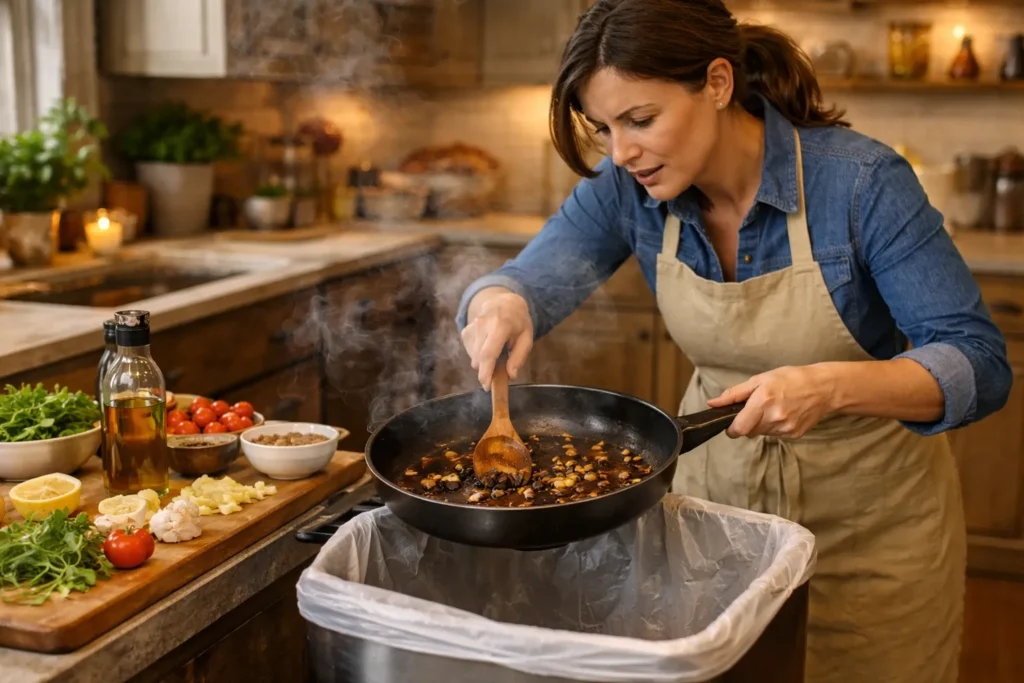
Most flavor layering failures come from rushing the cooking process or skipping steps that seem small but aren’t. There are a few mistakes I see home cooks make most often, including:
- Rushing Onions: I used to do this all the time. Pulling onions off the heat too early means you miss out on their natural sweetness.
- Burning Garlic: Garlic turns bitter and harsh if you don’t give it time to mellow. Add it after your onions have softened.
- Overcrowding the Pan: Through plenty of trial and error, I’ve learned this causes steaming instead of browning. Your food loses those rich umami notes as a result.
- Seasoning at the End: Each layer needs salt and pepper as you go. And waiting until the end leaves your dish tasting flat.
Avoiding these mistakes is half the battle when it comes to building real depth in your cooking.
Start Layering Flavors Tonight
Once you start thinking in layers, every meal becomes a chance to build something memorable.
You don’t need to overhaul your entire cooking style either. Just pick one technique from this post, like toasting spices or deglazing with wine, and try it with your next dinner. Building depth gets easier each time you practice, and your family will notice the difference in taste fast.
For more recipes and tips on layering flavors the way my mom taught me, check out Zaytoon’s Restaurant.