
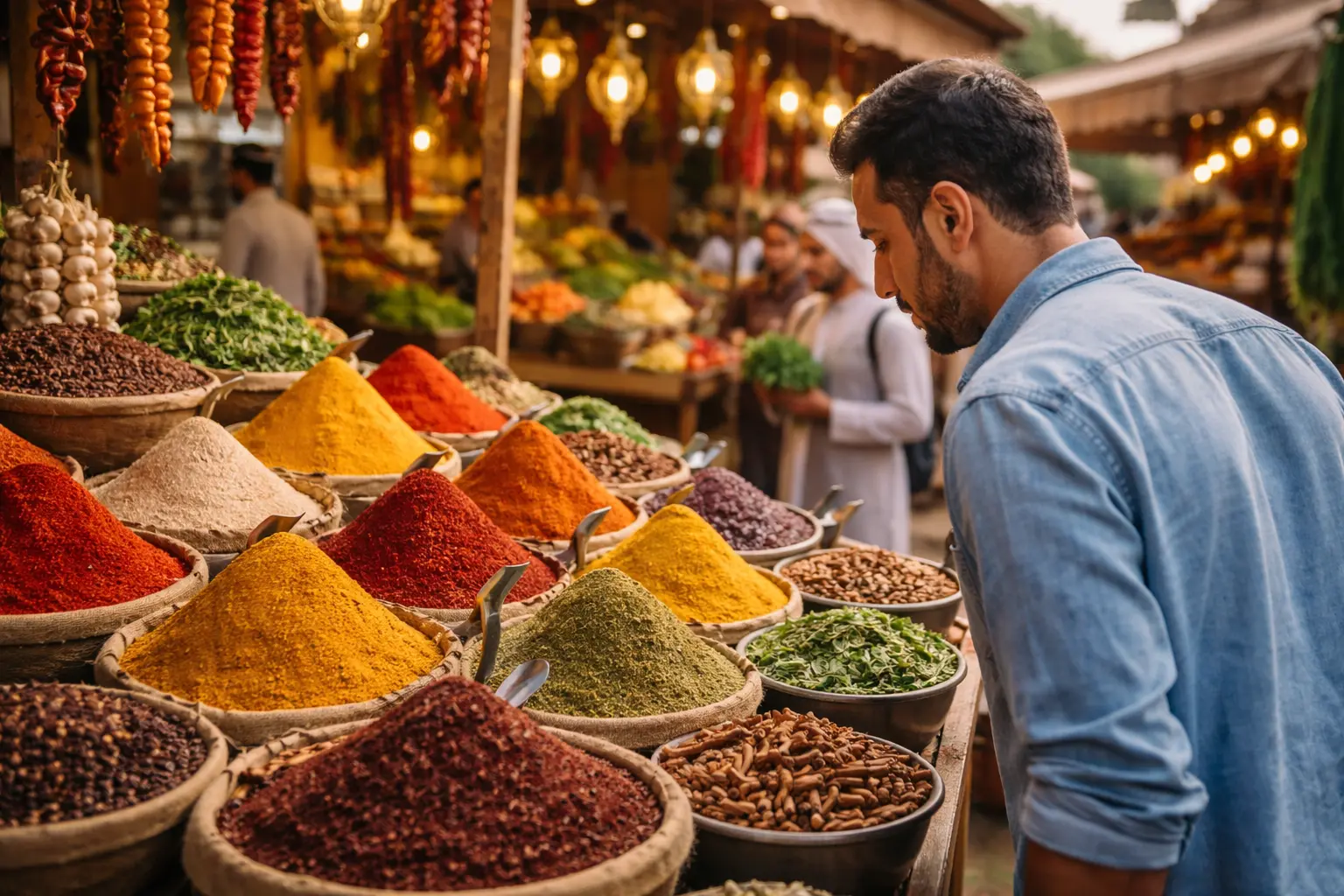
You’ve probably made hummus from a recipe online, maybe even tried your hand at falafel. But something about your Middle Eastern cooking still tastes a little flat.
The spices are there, the garlic is fresh, and yet the dish doesn’t taste like it does at your favorite restaurant. That gap usually comes down to a handful of ingredients most home cooks don’t know to reach for.
That’s exactly what Charlie from Zaytoon’s wants to help you fix. He grew up helping his mother cook traditional Middle Eastern recipes in their family kitchen, and those evenings taught him which flavors actually make a difference. So in this guide, he’s sharing that collection of overlooked spices, oils, and flavor bases that turn everyday dishes into something worth talking about.
By the end, you’ll know exactly what to add to your cart and how to use each ingredient. You’ll also learn where to find them without hunting through specialty stores.
What Makes Middle Eastern Cooking So Flavourful?
Middle Eastern cooking gets its rich flavor from layering spices at different stages of the cooking process. When you add cumin to hot oil before the onions go in, it releases aromas that a single spice dump at the end just won’t give you.
Acidic ingredients like sumac and pomegranate work the same way. It cuts through rich, fatty dishes and makes every bite feel balanced.
And if you’ve ever toasted coriander seeds in butter before adding garlic, you already know how much that simple step changes a dish. Frankly, most home cooks skip this, which is why their recipes taste flat even when they follow every instruction.
Overlooked Spices Behind Great Middle Eastern Food
Wondering why your homemade falafel or kebabs don’t taste quite like the restaurant version? The answer usually comes down to a few spices that rarely make it into American pantries.

So here are three favorites worth adding to your collection.
Sumac
This tangy, deep-red spice adds citrusy sourness without extra liquid. You can think of it like a finishing squeeze of lemon in powder form. Sumac is perfect on grilled meats, roasted vegetables, and salads. It pairs beautifully with olive oil and fresh herbs like parsley and mint, so you can work it into recipes you already love.
Za’atar
Za’atar blends dried thyme, sesame seeds, and sumac into one earthy, versatile seasoning. You can mix it with olive oil for dipping fresh bread, or sprinkle it over fried eggs for a savory pop. After years of experimenting, Charlie has found that za’atar on roast chicken beats Italian herbs every time.
Mahlab
Ground from cherry pits, mahlab has a subtle almond-like, slightly floral flavor (and yes, cherry pits sound strange, but trust the process). You’ll find it in Middle Eastern breads and pastries, though it works in savory dishes too.
A little goes a long way for Mahlab, so start with a quarter teaspoon and taste as you go.
Flavour Bases Every Middle East Kitchen Relies On

Beyond the spices we just covered, three pantry staples do most of the heavy lifting in Middle Eastern kitchens. Once you have them on hand, you can add depth to sauces, brighten salads, and even make simple meals taste special.
Let’s start with the one you’ve probably heard about the most.
Tahini Beyond Hummus
Tahini is sesame paste made from ground, hulled seeds that bring nutty richness to dressings, sauces, and baked goods. You can thin it with lemon juice and garlic for a versatile sauce that works on roasted cauliflower, grain bowls, and more.
Believe it or not, tahini works great for brownie and cookie batters, too. So when shopping, look for brands that taste smooth rather than bitter, since quality varies a lot.
Preserved Lemons
Salt-cured lemons deliver an intense, fermented citrus flavor that fresh lemons just can’t give you. So chop the rind finely and stir it into stews, tagines, or grain salads for a bright, salty kick.
One jar of this lasts months because a single lemon can season multiple dishes, so the investment pays off quickly.
Pomegranate Molasses
This thick, tangy syrup balances sweet and acidic notes in glazes, marinades, and dressings. Drizzle it over roasted meats or stir it into a simple vinaigrette for unexpected depth.
Keep in mind: The syrup can be pretty intense, so start with a teaspoon and adjust from there.
How to Add These Flavours to Your Home Recipes
The easiest way to start is by swapping familiar ingredients for their Middle Eastern counterparts. But don’t worry, you don’t need to learn new recipes or overhaul your cooking routine to make this work.
For example, if you normally squeeze lemon over fish, try sumac instead. Or if your roast chicken usually gets Italian herbs, swap in za’atar and see what happens. These small changes let you experiment without the pressure of making an entirely new dish from scratch. The learning curve stays low, and you get to build confidence as you go.
Now, when it comes to sourcing, buy small quantities at first. Specialty grocery stores and online shops sell sample sizes, which let you test before committing to full jars.
What’s more, Middle Eastern markets often have the best prices and freshest stock (Whole Foods stocks za’atar in most locations now, for what it’s worth). These ingredients are easier to find than they were even five years ago.
Now that you know which spices and flavor bases to stock, let’s put them to use.
A Quick Ground Beef Recipe with Middle Eastern Flavours
If you’ve got a pound of ground beef and 20 minutes to spare, this recipe is a great place to start. The dish is based on hashweh, a spiced meat mixture Charlie’s mother made for stuffing vegetables or serving over rice.

So here’s a simplified weeknight version you can prep with ingredients you probably already have.
- Brown the beef: Cook one pound of ground beef with a diced onion over medium-high heat until no pink remains. Add a pinch of salt to help draw out moisture and build flavor.
- Add the spices: Stir in one teaspoon each of cumin, cinnamon, and allspice. Based on firsthand experience making this dish dozens of times, the cinnamon-allspice combo is what gives it that warm, savory character.
- Toast the pine nuts: But wait, there’s a trick to this. Toast a quarter cup of pine nuts in a separate pan until golden. They burn quickly, so keep your eyes on them the whole time.
- Finish and serve: Pile the beef over rice or stuff it into pita bread. Drizzle with tahini sauce, add fresh parsley, and serve with a cucumber-tomato salad on the side.
The whole meal comes together fast, so it’s perfect for a long day when you still want something delicious on the table.
Time to Raid the Spice Aisle
Now that you know what to look for, the next step is stocking your pantry. Thankfully, these flavors are easier to find than ever. Most grocery stores carry za’atar and tahini now, and online shops stock everything else. However, Middle Eastern markets are still your best bet for freshness and price, but you have options either way.
Remember, Middle Eastern food isn’t exotic or intimidating. It’s just delicious, and your kitchen is ready for it.
For more Middle Eastern recipes and inspiration, visit zaytoonsrestaurant.com.