

Your first job in the hospitality industry can feel overwhelming, and that’s completely normal. The customers move fast, the kitchen gets loud, and nobody hands you a manual. I know because I’ve been there.
I grew up helping my mother cook Middle Eastern dishes in our family kitchen, and that love for food eventually led me into the restaurant business. Over the years, I’ve picked up lessons I wish someone had shared with me on day one.
So what will you get from reading this? You’ll discover what to expect during your first weeks and how to handle the fast pace without burning out. You’ll also see why hospitality management covers a wide range of career paths worth exploring.
Consider this your head start before you clock in for the first time.
Why Hospitality Careers Are Worth Considering
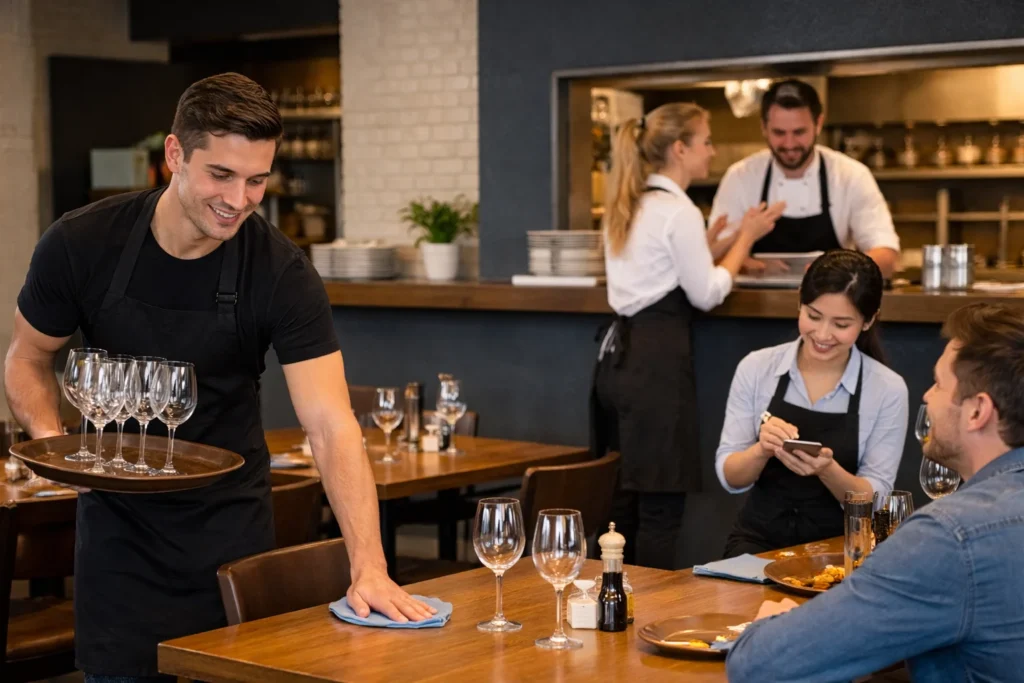
Hospitality careers give you a path to grow fast, build real skills, and connect with people who share your energy for service. Hard work gets rewarded quickly here, and the industry continues to expand with new roles opening up every year.
So what makes this path worth considering?
- Growth Happens Fast: A lot of restaurant managers started as hosts or dishwashers. The business promotes from within more than other industries, which means your first role can turn into a real career if you stay committed.
- You Gain Transferrable Skills: Teamwork, communication, and handling pressure are useful in any job. These restaurant skills are basically tools that employers in every field value highly.
- The Community Stays With You: To be honest, some of my closest friends today are people I met while working the line. This industry bonds people in ways that office jobs rarely do, and those connections tend to last.
When you add it all up, hospitality gives you experience, connections, and a clear path forward. That’s a strong foundation for any career.
The Skills You Will Need on Day One
You don’t need years of experience to succeed in your first restaurant job. What hiring managers really look for is reliability, a good attitude, and the ability to learn on the fly. The rest comes with time.
Here are the skills that help you stand out from day one:
- Show Up on Time and Keep Calm: Punctuality quickly builds trust, and keeping your cool during a rush shows the team they can count on you. These two habits alone put you ahead of most new hires.
- Communicate Clearly With Your Team: During a busy service, even small misunderstandings create problems. A quick word to your coworker or a direct question to your manager keeps operations moving without hiccups.
- Learn From the Veterans: Pay attention to how experienced coworkers handle chaos. Copying their calm approach teaches you more than any training manual.
Being dependable, communicating well, and staying curious will carry you further than any prior experience.
Now, once you’ve got the basics of showing up and adapting down, it helps to understand how the business side works.
How Restaurants Control Costs Behind the Scenes
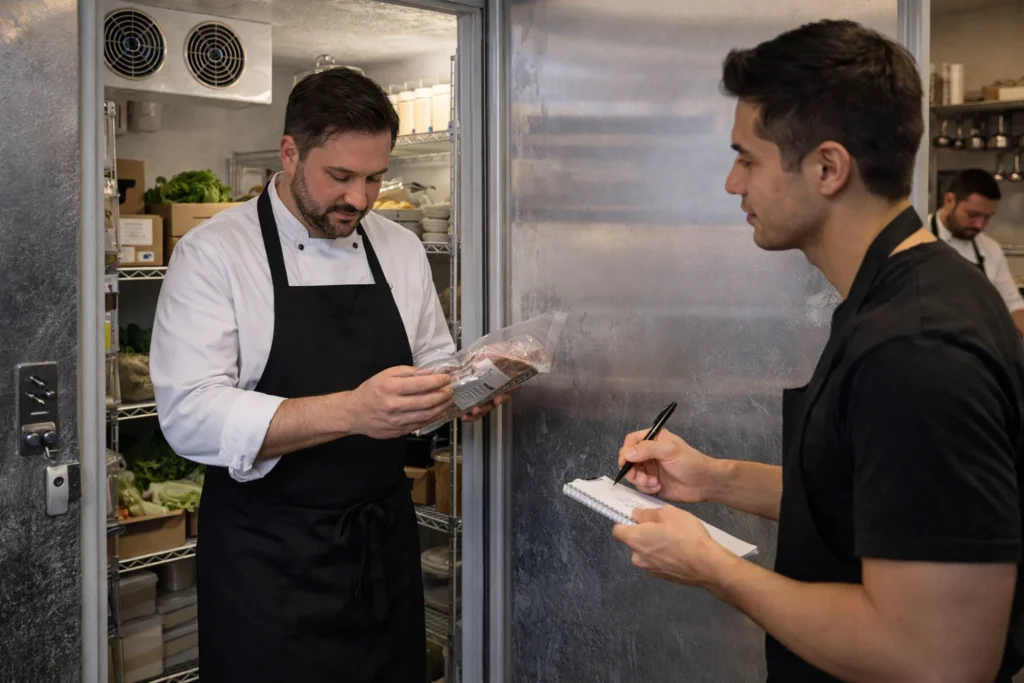
Ever wonder why your manager cares so much about portion sizes? It comes down to money. Restaurants run on tight margins, and small mistakes add up fast.
Let’s take a quick look at where the money goes.
| Cost Area | Why It Hurts the Business |
| Food Waste | Incorrect portions and spoiled inventory eat into profits |
| Labor | Overstaffing slow shifts wastes payroll budget |
| Inventory | Overpouring drinks or losing track of supplies adds up fast |
These three areas affect every restaurant, even the high-end ones.
When food gets wasted, that’s money in the trash. When too many people work a slow Tuesday, payroll eats into profitability (nobody wants to get sent home early because the floor is dead). And when nobody tracks inventory properly, the business loses control of its supply chain without even realizing it.
You know what the best part is? When you respect costs and show you can manage resources, you become someone the team trusts with more responsibility. That kind of reputation opens doors.
Understanding Special Promotions and Why They Work
Now that you understand how restaurants manage costs, let’s look at the other side of the equation: bringing in revenue.
Special promotions exist to bring people through the door and keep the business healthy. But they’re not random discounts. Each one is part of a larger strategy to attract new customers and give regulars a reason to come back.
So, how does this help you as a new team member? Knowing the current specials helps you sell naturally without sounding pushy or scripted (which means better tips for you). When a guest asks what’s good, you can point them toward a featured dish with confidence. That kind of recommendation feels genuine, and customers will always notice.
There’s also a practical side to promotions. Restaurants use them to move inventory before it spoils and boost sales during slower shifts. A Tuesday taco special, for example, isn’t just for fun (well, for the customer, it is). It fills seats that would otherwise stay empty.
When you understand why promotions exist, you stop seeing them as gimmicks and start using them as tools to serve customers better.
3 Ways to Help Increase Revenue as a New Team Member
Promotions bring customers in, but your service keeps them coming back. When you help the restaurant increase revenue, you usually end up making more money too. The two go hand in hand.
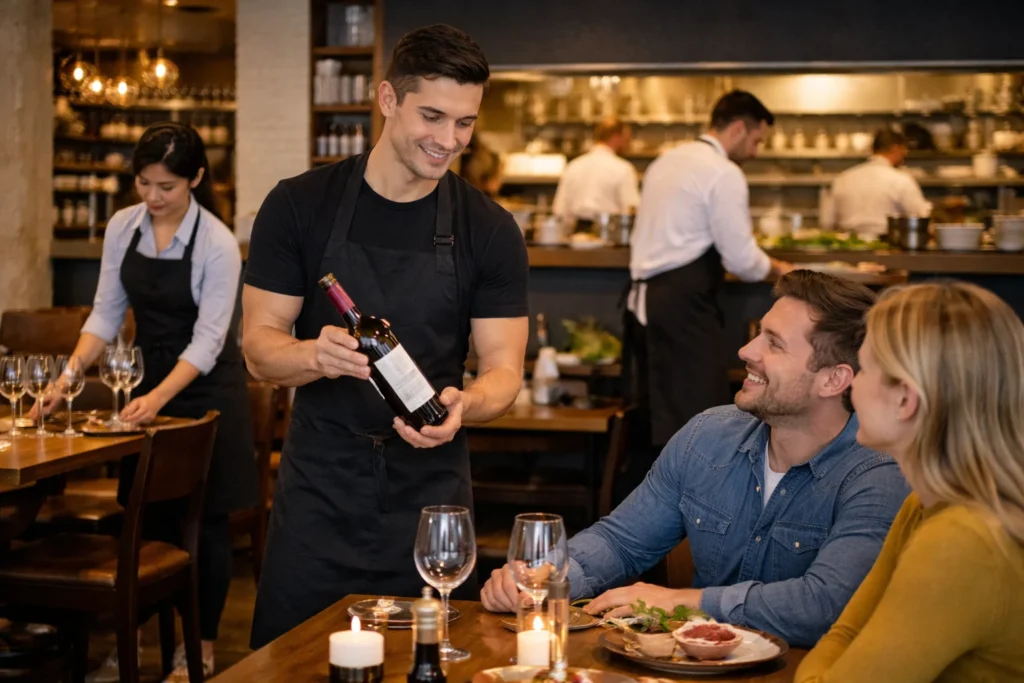
Now, from my experience, there are a few ways to contribute from day one:
- Turn One-Time Guests Into Regulars: Believe it or not, regulars often tip better and complain less than first-time visitors. A warm greeting and remembering small details like their favorite drink can turn a single visit into a weekly habit.
- Upsell Without Being Pushy: There’s a difference between suggesting and pressuring. If someone orders a burger, mentioning that the bacon and avocado addition is popular feels helpful. Rattling off every possible upgrade feels annoying. So read the table and keep it natural.
- Keep Tables Moving: The faster you turn tables without rushing guests, the more covers the restaurant serves each night. This means checking in at the right moments, dropping the bill when they’re ready, and clearing plates promptly.
Over time, these habits build your reputation and set you up for better shifts and bigger earnings.
Industry Tips That Set You Apart
Now that you know how to boost sales, here are a few extra habits that set great employees apart.
- Anticipate What Guests Need: Refilling water before someone flags you down or clearing empty plates without being asked shows attentiveness. Small gestures like these create a smoother experience for everyone at the table.
- Respect the Back of House: After years of working alongside cooks and chefs, I can tell you that good relationships between front and back keep operations running smoothly. A simple thank you to the kitchen during a rush goes further than you’d expect.
- Stay Positive on Rough Nights: Your attitude affects your tips and your team’s morale. Even when the floor gets slammed, staying upbeat helps you push through. And that energy is contagious in a good way.
These habits take time to develop, but they separate average employees from the ones who move up fast.
Exploring the Wide Selection of Roles Available
By now, you should have a solid sense of what the day-to-day looks like in hospitality. But where exactly do you fit in? Well, depending on your strength, the industry offers a wide selection of paths.
I’ll break down the main areas below:
- Front of House: This includes servers, hosts, bartenders, and bussers. These roles involve direct contact with guests, so strong communication and a friendly attitude go a long way. If you enjoy talking to people and thrive in fast-paced environments, front of house might be your fit.
- Back of House: Cooks, prep staff, and dishwashers make up the engine room of any restaurant. The work is physical and demanding, but it suits people who prefer staying focused without constant customer interaction. A calm head and steady hands are your best assets here.
- Catering and Events: Catering gigs let you work weddings, corporate events, and food festivals. The pace is different, and the variety keeps things interesting if you like switching things up.
Whichever path sounds appealing, each one teaches you something valuable. And many hospitality professionals move between roles as they discover what suits them best.
Honest Restaurant Advice for Your First Week
With so many roles to explore, the hardest part is simply getting started. Your first week will be messy, and that’s completely normal. Stay humble, watch closely, and absorb everything you can from the people around you.
And if you’re hungry to learn more about great food and Middle Eastern cooking, check out Zaytoon’s Restaurant for recipes and inspiration to fuel your journey.