Childhood food memories shape every cook by building emotional connections to flavors, teaching intuitive techniques, and creating kitchen confidence.
Think back to the first time you helped with cooking. Maybe you stood beside your mom, watching her work through a family recipe. Those moments create bonds between food and feeling that last for the whole life by connecting directly to your senses.
In this guide, we’ll explore how those childhood memories influence your cooking today, and how one taste can pull you back to your grandmother’s kitchen or a summer dinner with family. So keep reading to learn where your best inspiration really comes from.
Why Food Memories Stick With Us Forever
Food memories stick with us forever because our brain connects taste and smell directly to emotional memory centers. That’s why, when you catch a whiff of garlic sizzling or bite into a dish your mom used to make, your brain pulls up the whole scene, the story behind it.
Do you want to know more reasons? Then read the subsections below:
The Science Behind Taste and Memory
Believe it or not, your brain treats food memories differently. It signals the hippocampus and amygdala to link the known flavors with emotions, which builds connections that last for decades.
That direct link explains why tasting something familiar can trigger instant recall, as smell and taste connect straight to memory centres.
Scientists even found that food memories form more strongly than other types of memory because they involve multiple senses working together. Over time, those memories influence how people view cooking and food itself.
When Sweet Potato Brings Back Memories
One bite of roasted sweet potato can bring back your grandmother’s kitchen and her Saturday baking sessions. The texture and sweetness act like time machines, pulling up those delicious details.
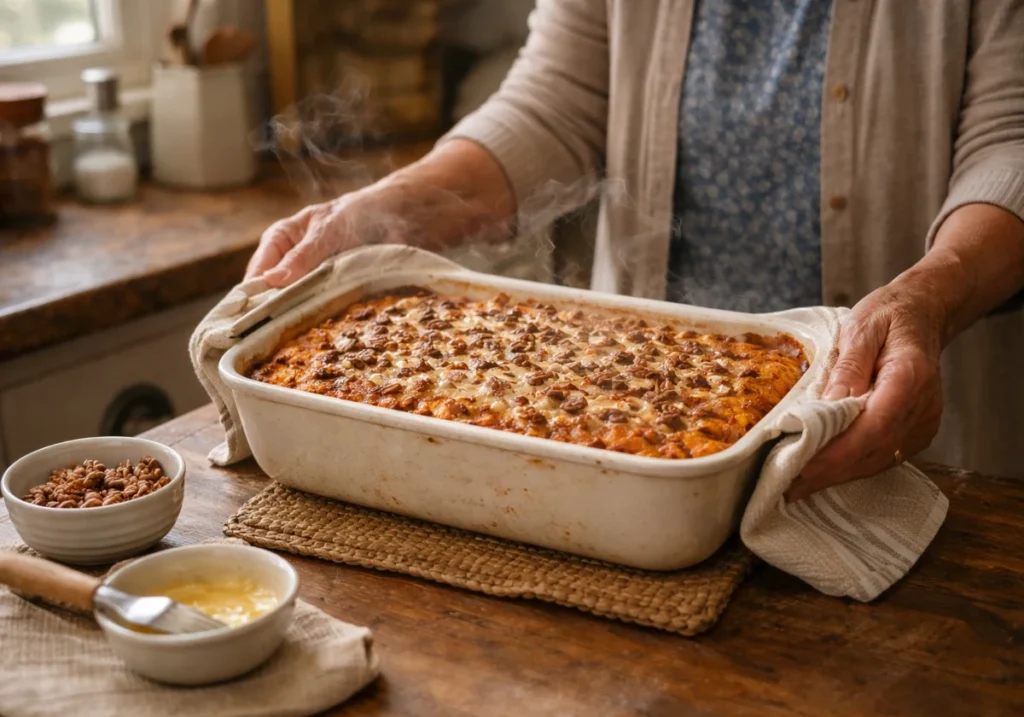
From experience in the kitchen, a sweet potato casserole made by your mom at “Thanksgiving” can stick with you forever. That caramelized top, the steam rising from the oven. You might try replicating it for years, but watching her make it gives you another level of pleasure.
Smells Transport You Back Home
The aroma of simmering onions or fresh bread instantly puts you back at your family’s dinner table. This smell bypasses logic and goes straight to emotional memory.
Sometimes, walking past a bakery might remind you of Sunday mornings when your dad made pancakes for the family. The scent of tomato sauce bubbling on the stove or vegetables roasting in the oven can pull you right back to the past, even decades later. This way, home cooking carries a signature smell that stays with you.
Culinary Inspiration: Tracing Your Cooking Back to Childhood
Ever wonder why you salt pasta water the same way your mom did, even though no recipe told you to? Well, it’s your childhood intuition.
Most professional chefs admit their signature dishes come from childhood meals their parents or grandparents cooked for them. It means your cooking style develops from watching family members season, taste, and combine dishes without measuring anything precisely (and yes, we all do this without even realizing it).
Frankly, the way you brown meat or season soup probably reflects exactly how your mother did it years ago. That’s because home cooking techniques are usually passed down through observation, not by written recipes.
For instance, the Italian grandmothers who serve pasta with that perfect flavor. They learned it just by standing in the kitchen, watching, and absorbing. Because that kind of culinary inspiration doesn’t come from the world of cookbooks. It lives in the rhythm of cooking, which you absorbed without trying.
Fond Memories and Home Cooking Techniques
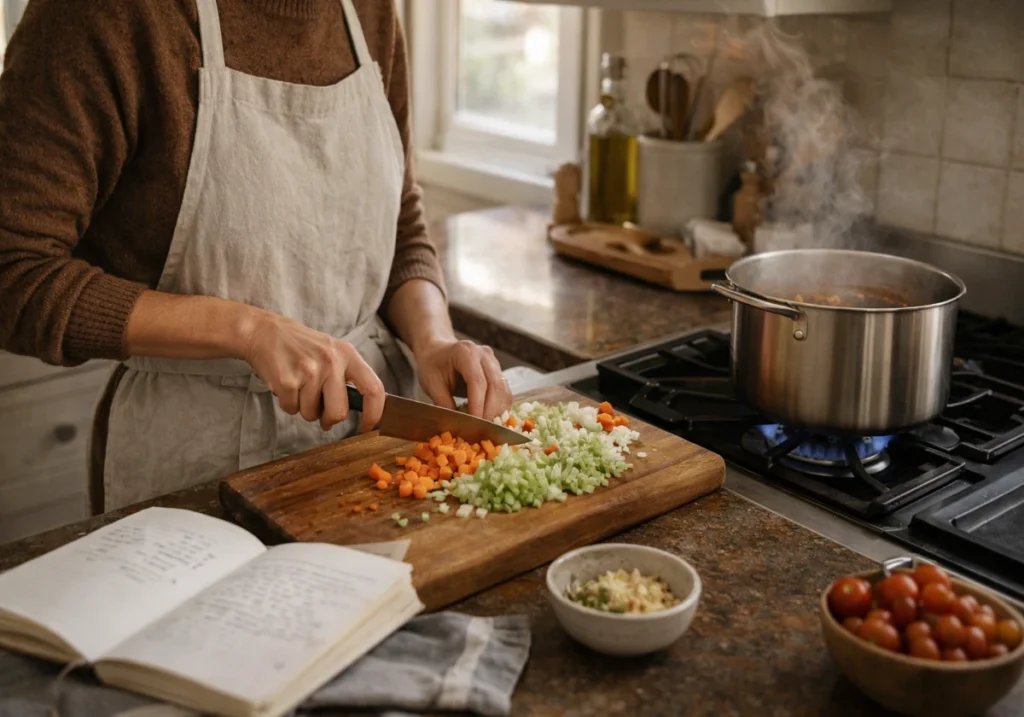
The best part about cooking with fond memories is that you naturally develop patience and creativity without feeling stressed about following recipes perfectly. If you look closer, these food memories also explain where confidence, creativity, and comfort in cooking really come from.
Now, let’s explore how family influence, happy memories, and adaptation all influence the way people cook.
Learning From the People You Love
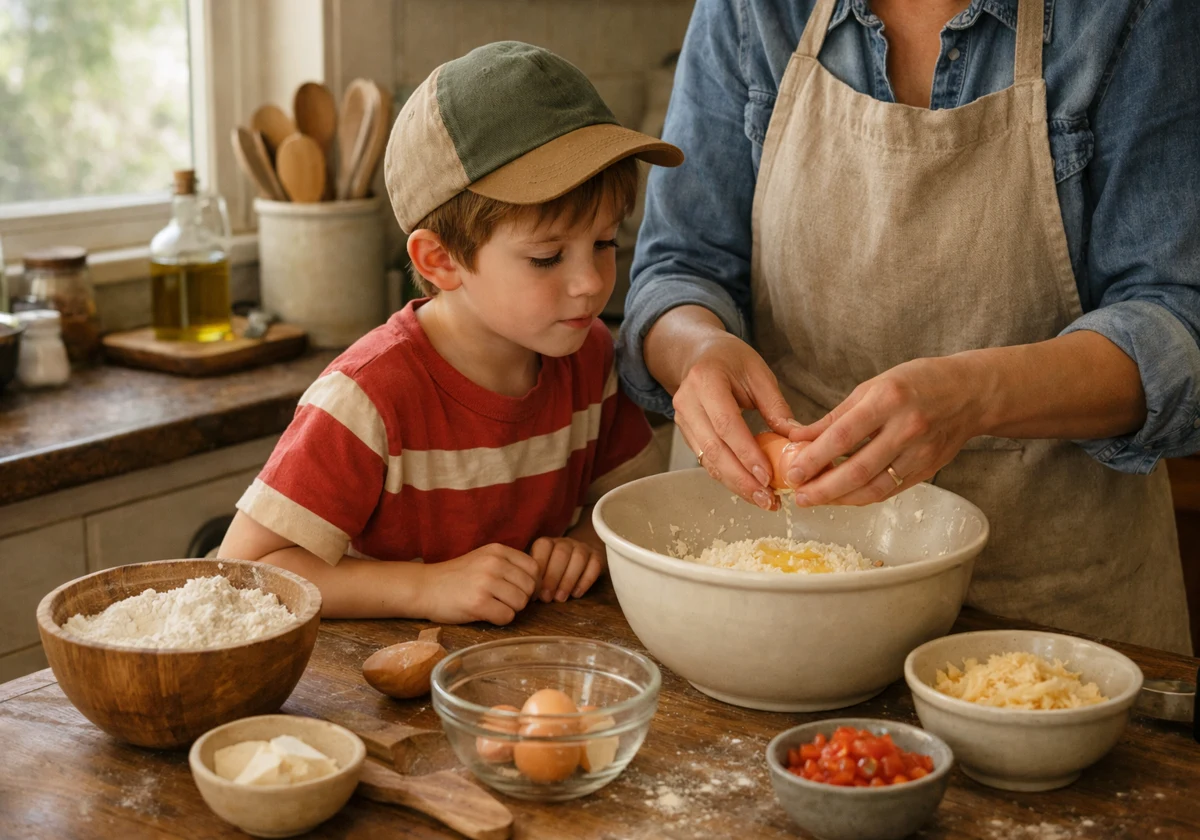
Children who cook alongside family members absorb techniques naturally. They learn rhythm and intuition rather than just following steps.
That’s why we prohibit beginners to learn from a cookbook. Because you truly learns when someone shows you how the dough should feel, not what the recipe says.
Beyond everything, watching your parents’ hands work through familiar home cooking teaches you confidence that written instructions simply can’t provide. Remember how our mothers never measured their spices. They had added a pinch, tasted, and added more. That’s how we learned to cook, too.
Happy Memories Make Better Dishes
Cooking with positive emotions truly changes how you approach ingredients. This technique makes you more creative and less fearful of mistakes. And that’s where things get interesting.
Happy memories also give you patience in the kitchen because you associate cooking with love, comfort, and connection. Plus, dishes made with fond memories taste better because you’re cooking with intention, not just following instructions.
Verdict: Real joy comes from recreating something that once made your family or friends smile around the dinner table.
Recreating Childhood Memories in Your Kitchen Today
We’ve seen adults often try replicating childhood favorites, but fail. Because they don’t understand that the real magic of cooking comes from adapting those memories to their current life. You don’t need an exact recipe to honor a food memory. Capturing the feeling and flavor profile works just fine here.
Through years of cooking these family recipes, we’ve learned that adjusting your mother’s dishes for modern ingredients while keeping the essential character makes them taste like home. Her home cooking techniques live on, even when you’re making them your own style.
This way, fond memories will guide how you should approach each dish, from the first chop to the final taste.
What Happens When You Cook Without Food Memories?
When you cook without food memories, you typically rely more heavily on exact measurements and written instructions. With such dependency, you often miss the intuitive foundation that comes from watching family members cook with confidence and improvisation.
Beyond that, cooking without food memory usually has a larger impact. For example, when you try to learn cooking as an adult, it takes longer since you’re building both technique and emotional connection at the same time.
But the good news is that people who didn’t grow up cooking with family can still develop culinary inspiration by creating new food memories intentionally.
So, start your own cooking traditions today. It will give your future self (and maybe your kids) powerful food memories to create intuition. Remember, each meal you make adds to the food memories others will carry forward.
Bottom line: Food memories can begin at any age. So, you’re never too old to start building meaningful kitchen experiences. Plus, what you eat, how you cook, the life you build around meals, it all becomes part of your story.
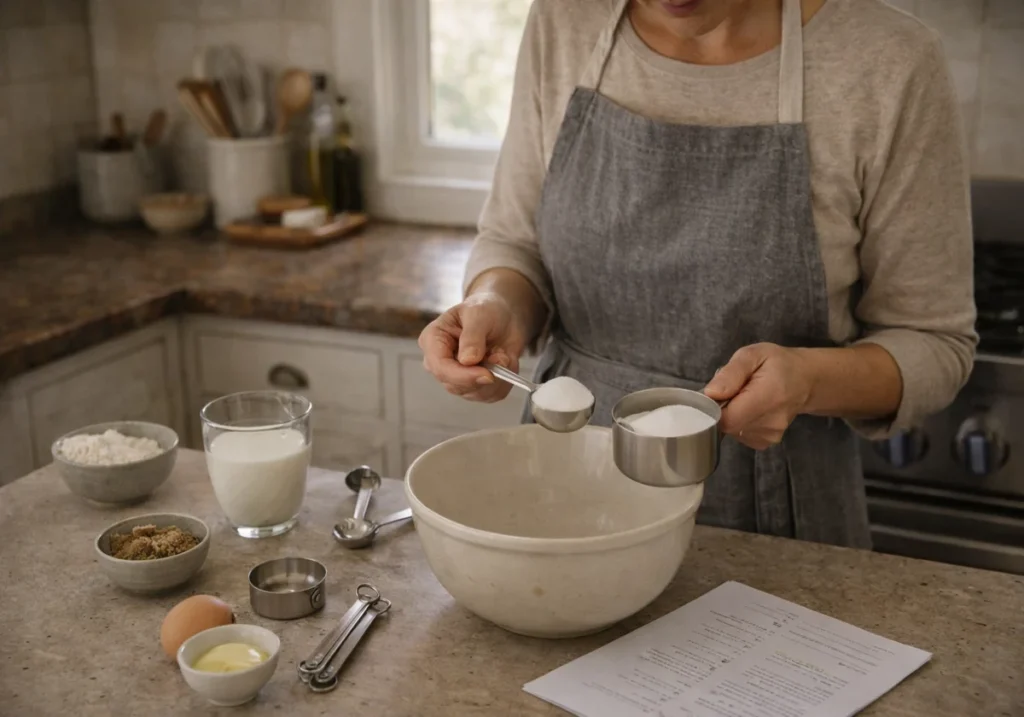
Start Building Your Own Kitchen Legacy
What you are cooking today carries forward the memories you absorbed years ago. Maybe it’s how you boil water for pasta, chop vegetables for dinner, or that tomato sauce your grandmother taught you one summer weekend. These moments connect you to your heritage.
Every chef started somewhere, watching someone cook without being afraid to experiment. You should do the same. This way, from holiday gatherings to simple weeknight meals, you’ll create new food memories daily.
If you are still deciding what stories you’ll pass down through the dishes? Keep exploring your culinary inspiration here at Zaytoon’s Food Blog, where we celebrate the cooking traditions that make every meal meaningful.