
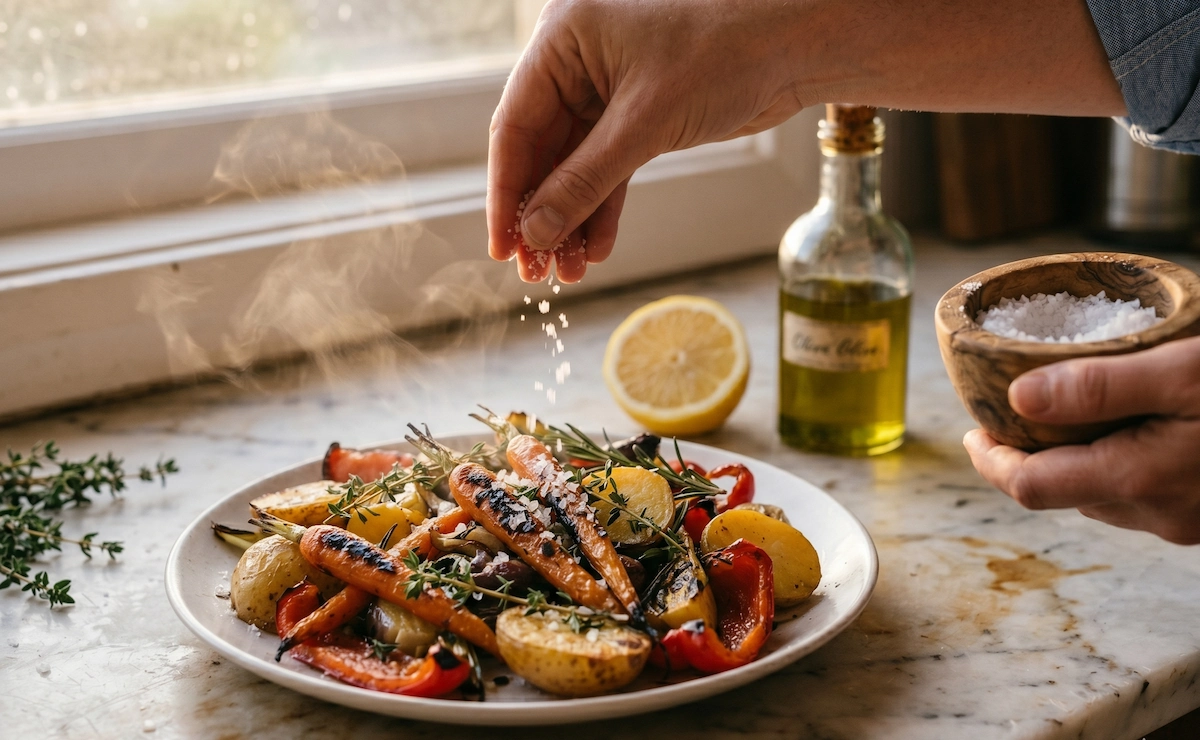
Ever cook something that looks perfect but tastes boring when you actually sit down to eat it? Charlie knows that feeling well.
He learned one simple rule from his mother that separates forgettable meals from dishes people request again and again. She never used fancy ingredients or expensive tools, but her food always had something special going on.
The secret is balance. When you get acid, salt, heat, and texture working together, everyday cooking transforms completely. Charlie’s mother taught him this without ever calling it a technique; she just knew what made food taste right. Read on to learn the exact approach that’ll change how you cook.
What Professional Chefs Know About Flavor Balance
Flavor balance means adjusting acid, salt, heat, and texture until a dish tastes complete and interesting. Restaurant kitchens rely on tasting and tweaking throughout cooking, not just following written recipes. Professional chefs understand how different flavor compounds interact in every dish.
Here’s the thing. Salt amplifies what’s already there, while acid brightens everything up. Meanwhile, heat adds new flavour through browning, and texture keeps each bite from feeling flat.
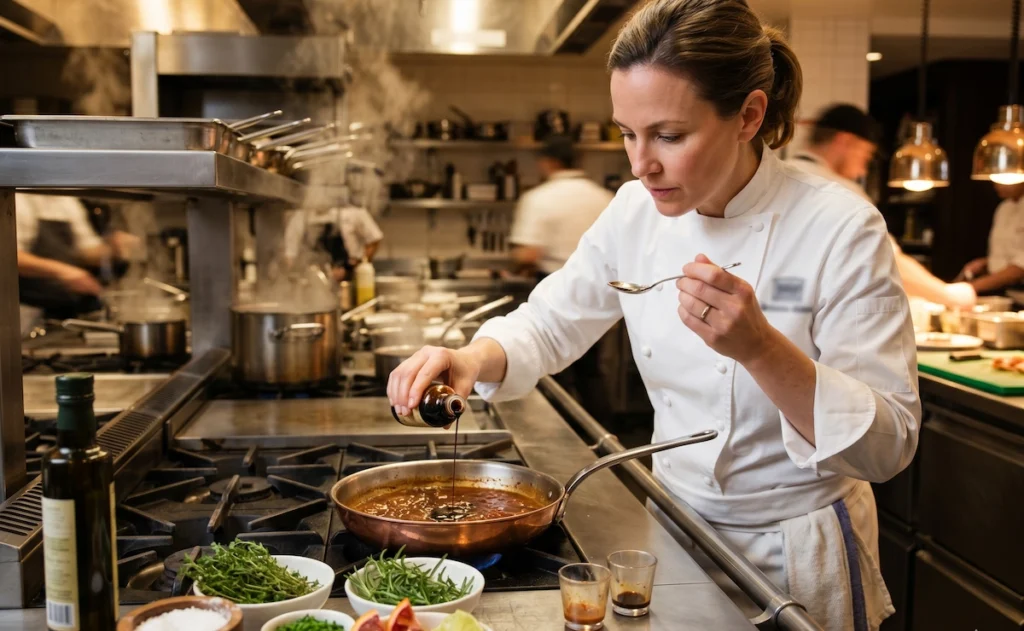
Home cooks can use this same approach. Charlie reads food blogs regularly and notices the best chefs always taste as they go. They adjust the balance until the flavour feels right, then taste again. That’s how basic cooking becomes food people actually request.
The Four Elements Every Home Cook Should Master
What separates a good home cook from someone who just follows recipes word for word? Well, it comes down to understanding how four simple components work together.
When one element goes missing, dishes end up tasting flat. Charlie’s family recipes always included all four, even in simple Middle Eastern cooking. Once you get the hang of how they balance each other, you won’t need detailed instructions for every meal.
Now let’s break down each one.
Salt and Acid Work Together
Salt amplifies existing flavors, while acid, like lemon juice or vinegar, brightens everything up. Together, they wake up your taste buds and make other ingredients taste more like themselves.
The reason is simple chemistry. Salt draws out moisture and builds flavour; meanwhile, citrus cuts through richness. Charlie’s mother kept fresh lemons within arm’s reach when cooking, ready to add that final squeeze whenever something needed it.
High Heat Builds Flavor Layers
Browning proteins and vegetables at high heat creates completely new flavors. This caramelization adds depth that slow cooking can’t achieve.
Searing meat in a hot pan or roasting vegetables until crispy builds those flavour layers. Even rice cooker meals taste better after a quick pan sear before serving. Charlie watched his mother char onions before tossing them into stews, and that’s where the real flavour came from.
Texture Makes Food Memorable
Combining soft with crunchy keeps every bite interesting. Adding toasted nuts, fresh herbs, or crispy bits right before serving transforms simple dishes completely.
A bowl of plain pasta tastes fine on its own. However, top it with toasted breadcrumbs and suddenly you’ve got something people remember. Charlie’s mother sprinkled toasted pine nuts on everything from yogurt to rice dishes in her everyday cooking. That textural contrast made all the difference in real life.
How to Fix Flat-Tasting Food in Seconds
The best part about flavor balance is knowing exactly what your dish is missing when it tastes flat.
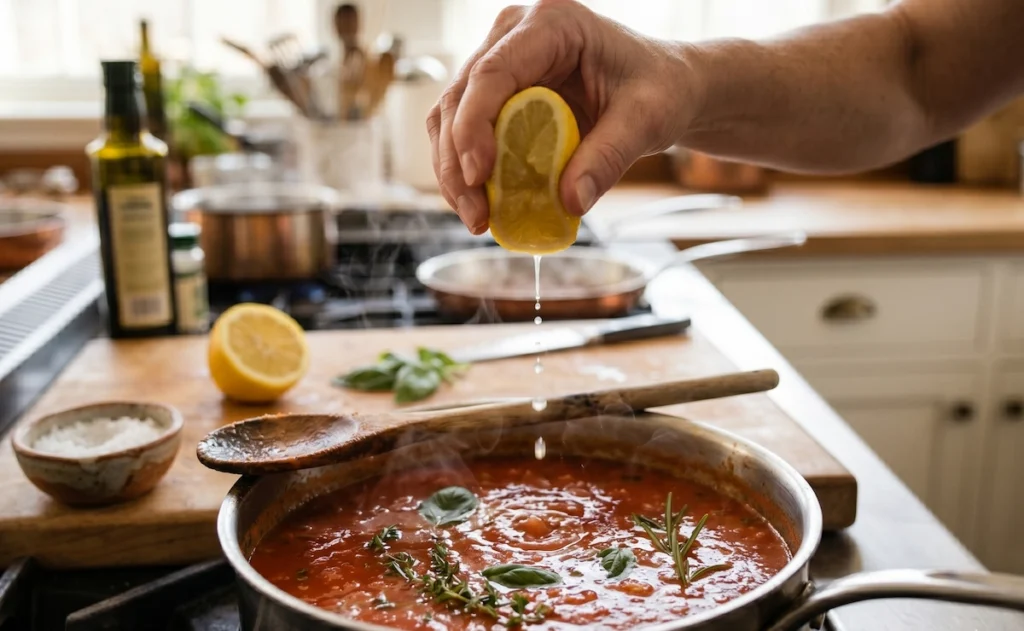
When food tastes boring, it usually needs salt first. Add a pinch, then taste again. If it’s still flat after adding enough salt, that’s when acid comes in. A squeeze of lemon or a splash of vinegar can rescue the whole thing in seconds.
Professional chefs taste constantly while cooking. They’re adjusting these elements until the balance feels right, then tasting one more time before serving. The reason this works is that salt and acid wake up all the other flavours already in your food.
Most home cooking problems come from under-seasoning. You don’t need fancy ingredients or complicated techniques. Just keep kosher salt, fresh citrus, and good vinegar nearby. When something tastes off, start with salt and work from there. Charlie learned this from watching his mother fix dishes on the fly, and it changed everything about how he approaches seasoning.
Simple Tweaks for Everyday Dishes
Now that you know the four elements, here’s how they apply to dishes you probably make every week.
Small changes to familiar recipes show how these principles work in real cooking situations. Take tomato sauce, for example. After it simmers, taste it and adjust the salt first. If it still tastes flat, add a tiny splash of vinegar or lemon juice to bring out the tomato’s natural sweetness. That’s the acid doing its job.
Salad dressing follows a basic ratio but needs tasting and tweaking for perfect balance every time. Start with your oil and vinegar base, then add salt and taste. The flavour should feel bright and complete, not one-note.
Hard-boiled eggs get way more interesting with flaky salt, cracked pepper, and fresh lemon juice drizzled on top. Charlie makes these for quick meals all the time.
Even simple pasta dishes benefit from this approach. Cook your pasta, then toss it with butter, garlic, and a spoonful of the starchy cooking water. Taste it, add salt, then finish with more flavour by grating cheese or tossing in sautéed onion. These aren’t fancy sauces or complicated techniques.
They’re just examples of how balancing elements makes everyday cooking taste better. Check out more delicious recipes that use these same principles.
Why Good Knife Skills Beat Any Recipe
You can follow a recipe perfectly and still end up with uneven flavors if your knife work is sloppy.
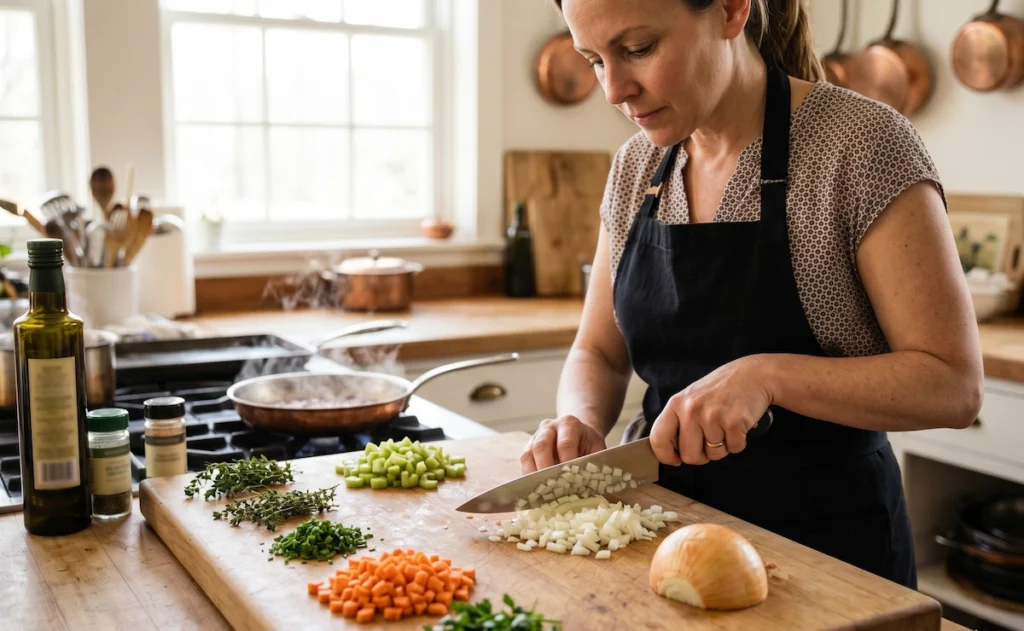
Consistent cutting sizes ensure everything cooks evenly and releases flavors at the same rate. When you slice vegetables into different sizes, some pieces burn while others stay raw. That throws off the whole dish.
Finely minced garlic distributes more evenly than rough chops, which affects how strong the flavour tastes in each bite. Charlie learned from watching his mother how knife work impacts both texture and flavour distribution. She’d take her time with the knife, making sure each piece was roughly the same size.
Most home cooks rush through the chopping, but chefs know better. Proper knife techniques make a real difference in how your cooking turns out. The way you slice garlic, dice onions, or cut vegetables directly changes the final taste of any recipe.
Start Tasting Like You Mean It
The fastest way to improve your cooking is to develop the habit of tasting as you go.
The biggest change you can make is tasting your food before serving it. Most home cooks skip this step and wonder why their dishes don’t taste as good as restaurant food. Professional kitchens taste constantly, adjusting salt and seasoning until the balance feels right.
Keep kosher salt, fresh citrus, and good vinegar within reach while you cook. These three ingredients fix most flavour problems in seconds. When something tastes off, start with salt, then move to acid if needed.
Trust your palate and adjust seasoning until the dish tastes balanced and complete to you. Charlie’s mother never measured anything precisely; she just tasted and tweaked until it felt right. That’s what makes cooking feel less like following rules and more like creating food you actually want to eat.
Try these techniques in your own kitchen, and if you want more cooking tips, feel free to contact us anytime. The more you taste, the better your home cooking becomes.